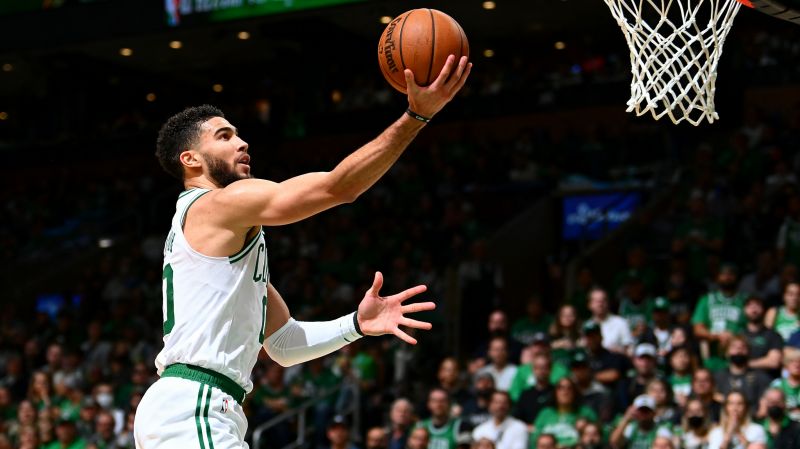
am Dekker's NBA journey hasn't followed a straight line. Drafted 18th overall by the Houston Rockets in 2015 after a standout career at Wisconsin, he was supposed to be a plug-and-play wing in the modern game. Instead, injuries and inconsistent roles sent him bouncing between teams—Houston, Cleveland, Washington, Toronto, and a brief stint overseas. Yet watching him now。you see a player who has quietly reinvented himself as a reliable rotation piece. His recent performances for the London Lions in the British Basketball League have reminded scouts why he was once a lottery-adjacent talent. Dekker averaged 15.8 points and 6.2 rebounds per game last season, shooting 48.6% from the field. Those numbers don't scream stardom, but they reflect a mature understanding of his strengths.The knock on Sam Dekker has always been his jump shot. He's a career 28.8% three-point shooter in the NBA, which is below average for a forward. But watch him play and you notice something else: he's a terror in transition. At 6-foot-9 with a 7-foot wingspan, Dekker runs the floor like a guard. He fills lanes, finishes above the rim, and makes smart cuts when defenders fall asleep. His offensive rebounding rate—5.9% for his career—is solid for a wing. In a league obsessed with spacing, Dekker's value comes from doing the dirty work: setting screens, rolling hard to the basket。and attacking closeouts with a quick first step. That's not glamorous, but it's effective.Defensively, Sam Dekker is a mixed bag. He has the physical tools to guard both forward spots, and his lateral quickness is adequate. However。he sometimes loses focus off the ball, ball-watching instead of tagging cutters. In London, his defensive rating improved to 105.3, which would be respectable in the NBA. The effort is there. I remember a game against the Bristol Flyers last December where he switched onto a guard in the pick-and-roll and forced a contested fadeaway—a play that doesn't show up in the box score but tells you he's engaged. That kind of versatility is why coaches keep giving him chances.
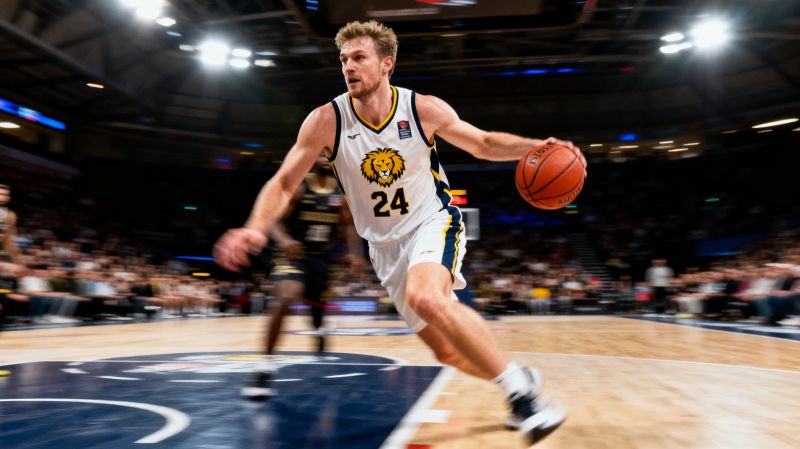
What stands out most about Sam Dekker is his resilience. He's been traded three times, waived twice。and suffered a broken hand and ankle injuries that cost him significant playing time. Most players with his draft pedigree would have washed out. Dekker didn't. He went to Turkey, then the UK, and kept working. His three-point percentage in the BBL jumped to 36.1% on 4.2 attempts per game—modest, but a clear sign of adjustment. He's also become a vocal leader for younger players, something you wouldn't expect from a former first-round pick trying to get back to the NBA. That maturity is rare.Will Sam Dekker get another NBA shot?
It's possible. Teams are always looking for athletic forwards who can defend multiple positions and finish in transition. His shooting remains a question mark。but his overall game is more polished now than it was in his early twenties. A playoff contender could use him as a 10th man—a energy guy who doesn't need touches. If not, he'll keep thriving overseas, where his skill set translates well. Either way, Dekker's story isn't about wasted potential. It's about a player who refused to let a few bad breaks define his career. That's worth respecting.